My strengths are in evolution and plant biology, and I enjoy teaching as a way to get to know students both in and out of the classroom. My goal is to give students knowledge and skills, whether in general biology, evolution, or plant identification, that let them interpret scientific information for the rest of their professional and personal lives.
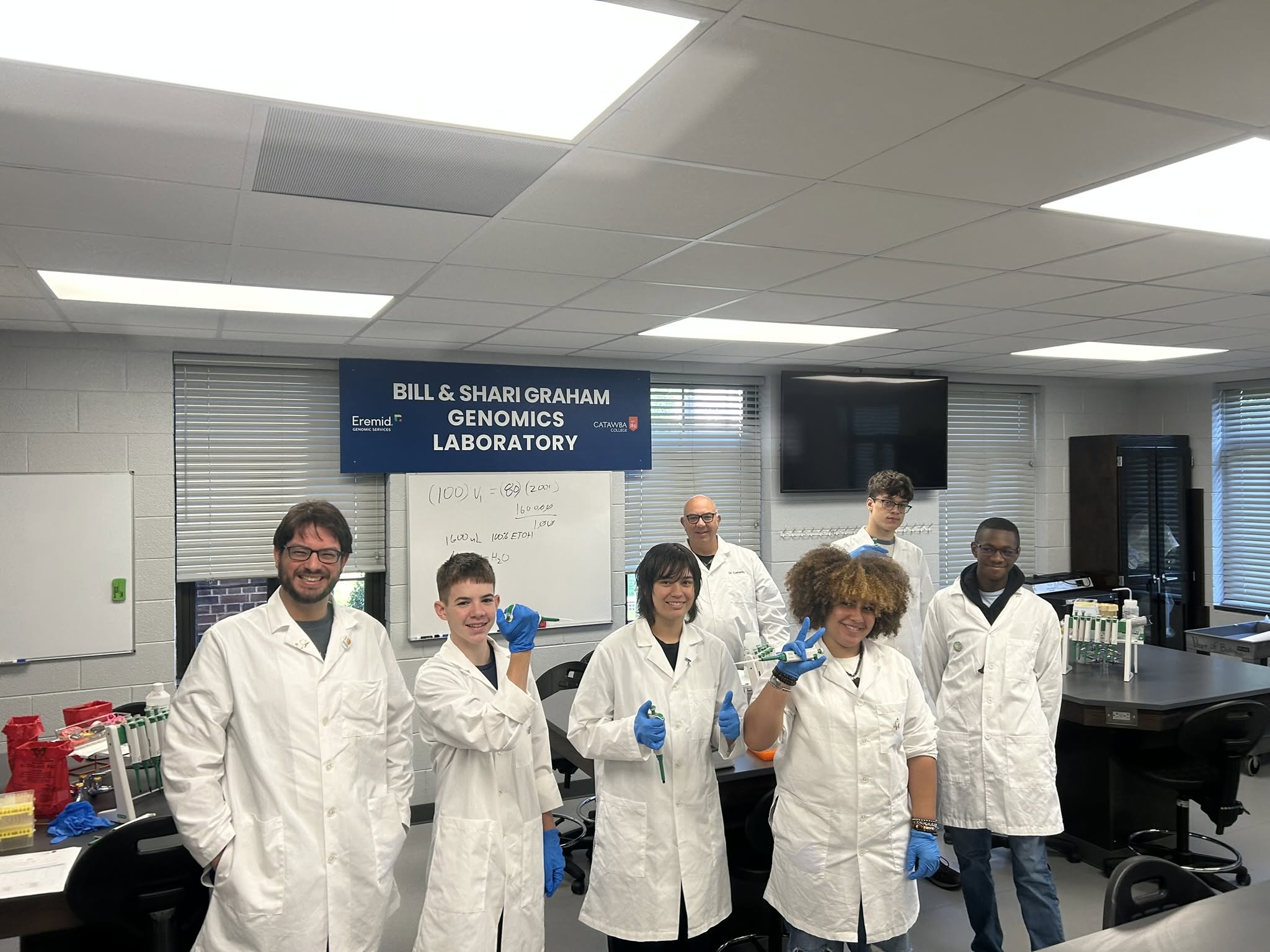
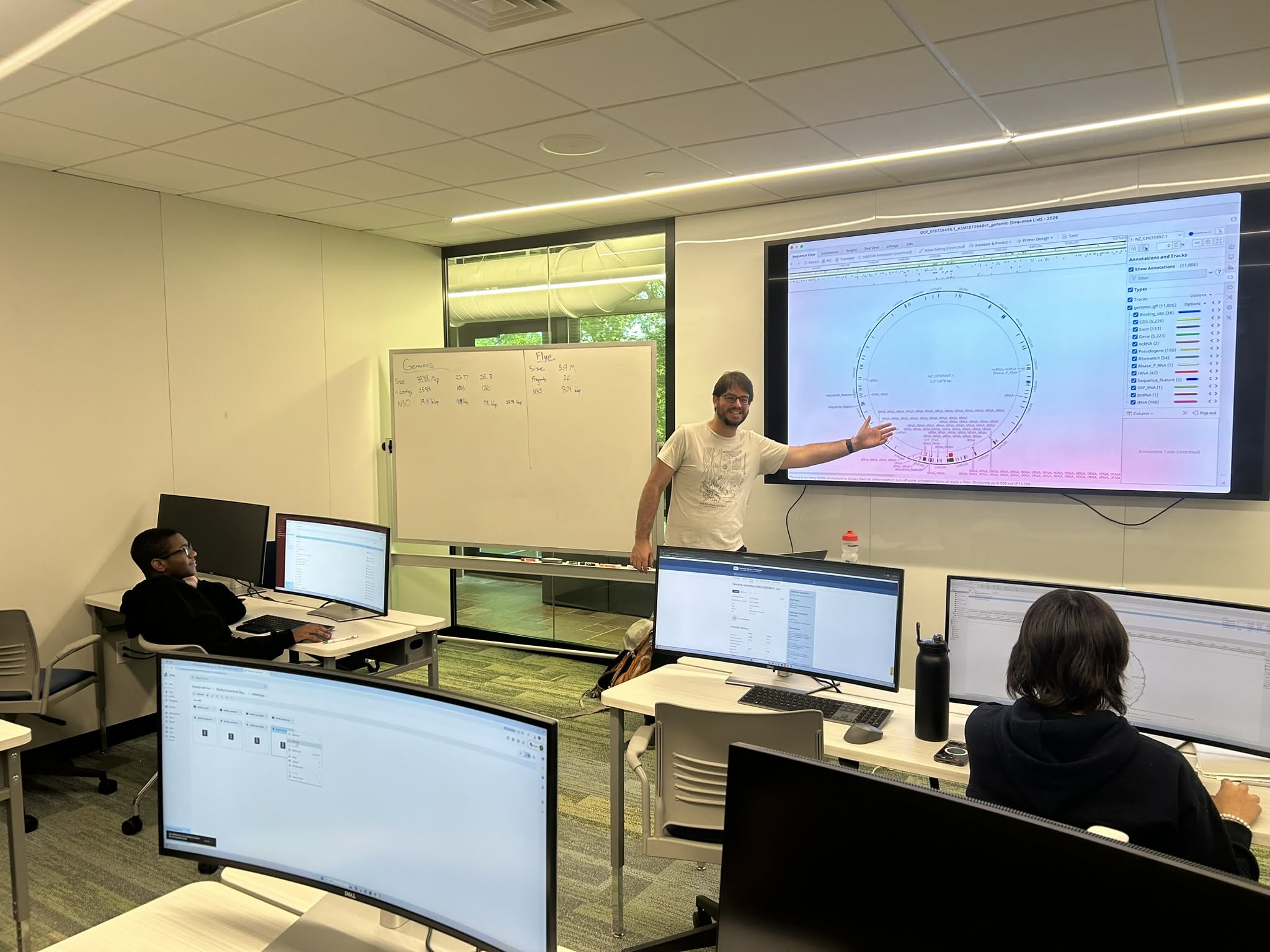
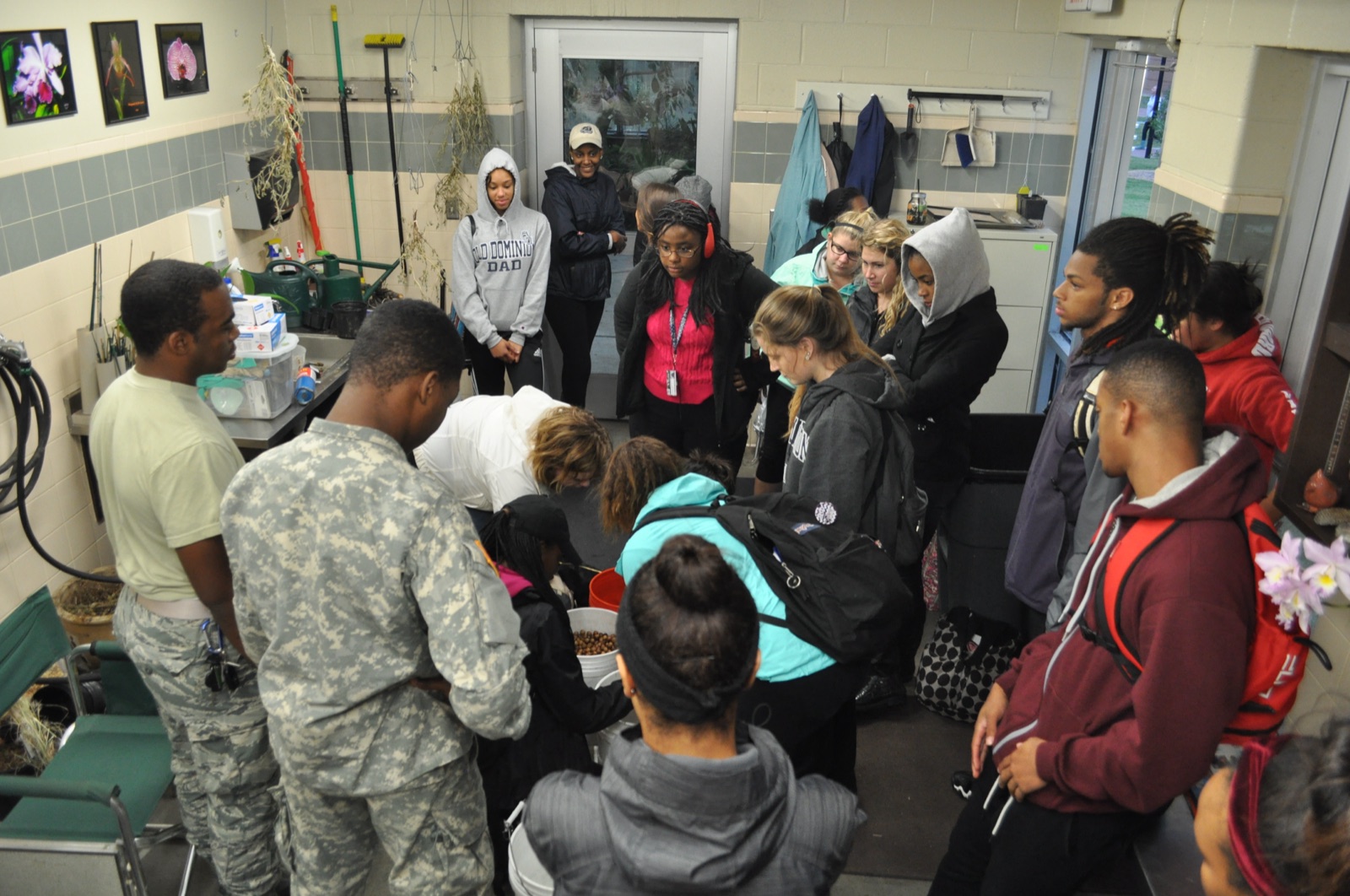
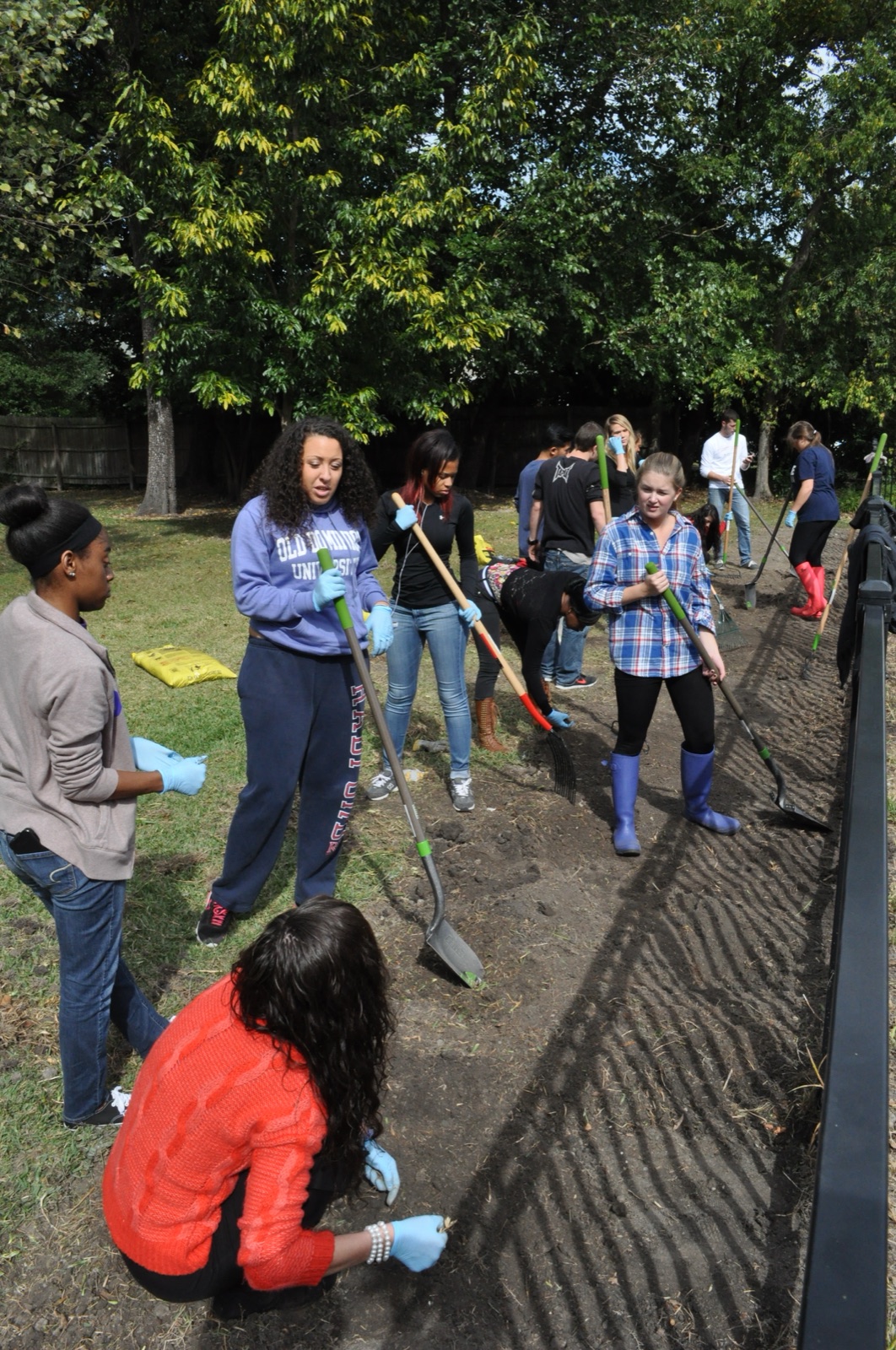
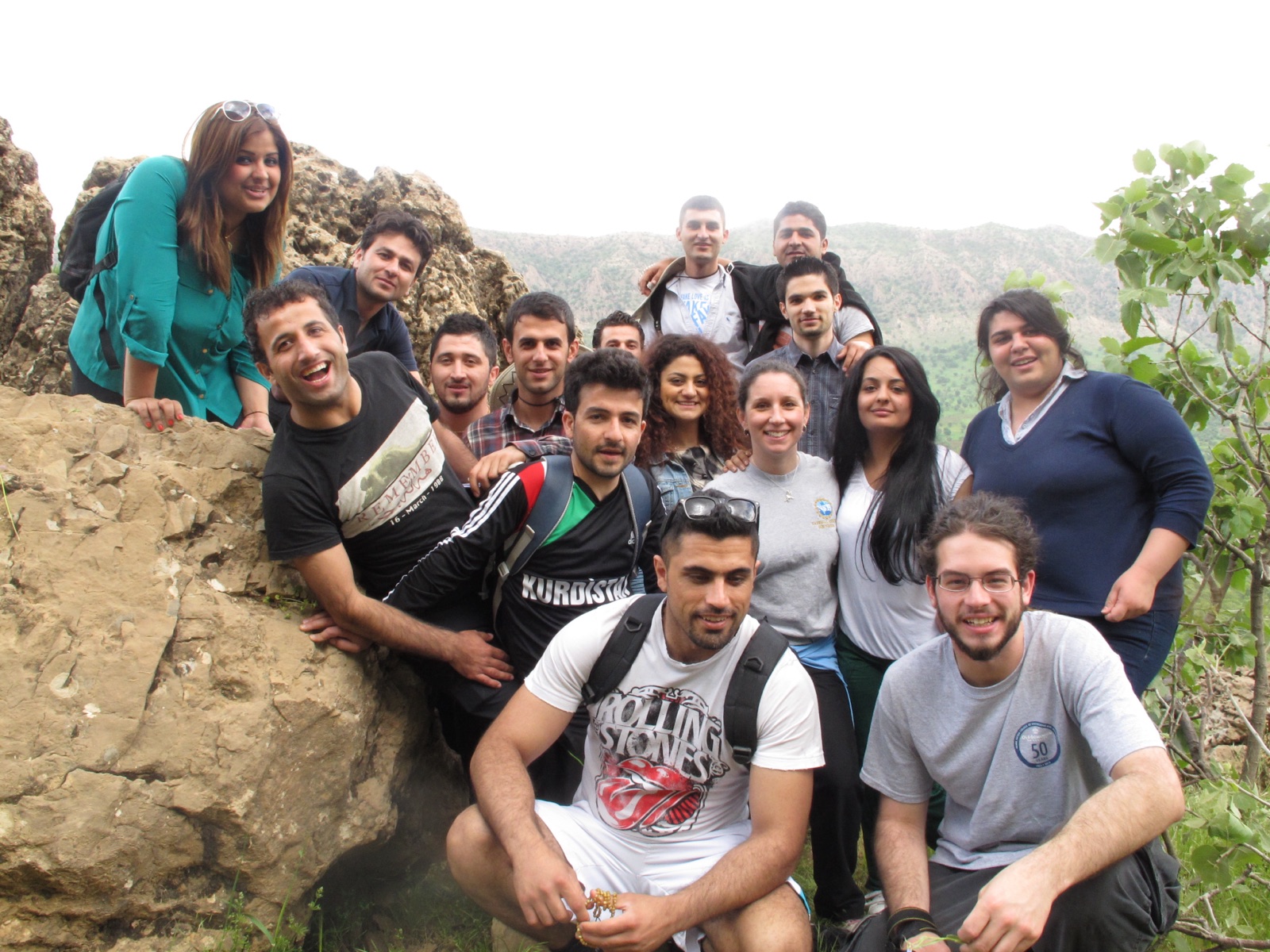
Sequencing workshop, Catawba CollegeBioinformatics session, Catawba CollegeOld Dominion University, 2014Old Dominion University, 2014Botany field trip, American University of Iraq–Sulaimani, 2013
1
Teach from current research
I build courses around my own research experience so students get up-to-date material and I can answer questions in depth. Upper-level courses are taught from primary literature rather than textbooks, which introduces students to the kind of writing they will read and produce in a science career. In large introductory courses I update lectures every semester to keep up with genetics, cell biology, and evolution.
2
Build from memory to creation
Following Bloom’s taxonomy, I use memorization as the foundation for understanding, application, and creating new knowledge. My field botany courses run the same way whether in coastal Virginia, the Adirondacks, or the Zagros Mountains of Kurdistan: anatomy and terminology first, then species and their salient features, then classification, then identifying unknowns, and finally reading plant communities on the landscape as evidence of adaptation.
3
Read it, do it, talk it through
Readings and lectures introduce material, hands-on activities reinforce it, and guided discussion lets students reflect. A bioinformatics course, for example, is built around a real analysis from my own work: hands-on sessions alternate with short concept lectures, and each day ends with students explaining what they did, why, and where else the same skills apply.
4
Meet students where they are
Weekly quizzes and monthly one-on-one meetings tell students whether they are meeting expectations and tell me when I need to explain something differently. I pay particular attention to students with non-traditional learning needs and adapt each course to the group in front of me.
Courses & workshops
2014, 2019Field Botany (BIOL 340)Instructor of record, Old Dominion University
2012–2013Botany and the Environment (BOT 232); Introduction to Plant Identification (BOT 233)Visiting professor, American University of Iraq–Sulaimani
2022, 2024, 2026An Introduction to Quillworts (online)Instructor, Eagle Hill Institute
2024, 2026Illumina Next-Generation Sequencing WorkshopInstructor, Eremid Genomics & Catawba College
2021–2025DNA extraction, Illumina library prep, and Oxford Nanopore sequencing for ~20 undergraduatesTrainer, Murray State & Ball State Universities
2012–2014Adirondack Flora (EFB 327)Teaching assistant, SUNY-ESF Cranberry Lake Biological Station
2013–2014General Biology, Botany, Environmental ScienceTeaching assistant, Old Dominion University
Research mentoring
I make mentoring a central part of my projects. At the Boyce Thompson Institute I was an REU mentor nearly every summer, guiding students through 10-week projects in hornwort evolutionary genomics. Sixteen student researchers have worked with me, and nine have co-authored peer-reviewed papers with me, along with several dozen student presentations at scientific meetings.
Kendall VillalobosThe College of New JerseyBTI REU 2025
Alexander FenlonArizona State UniversityBTI REU 2024
Isabel SmalleyUniversity of Minnesota DuluthBTI REU 2023